
The author of this article is Seth McBride, president of Steel Craft Builders, a company specializing in the design, supply and construction of pre-engineered metal buildings across Central Florida.
An indoor turf field can be an excellent choice for even the most competitive sports. Indoor fields are less susceptible to the elements, with the ability to condition the space and ensure optimal performance.
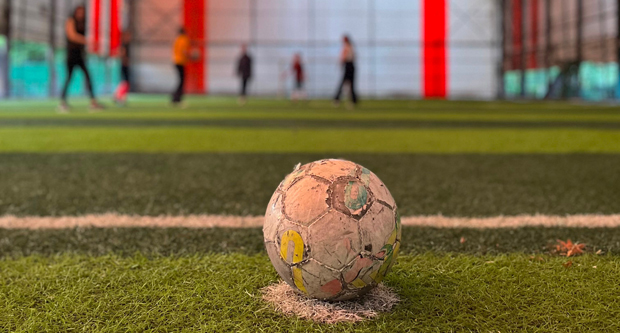
While facilities managers can choose from a range of options for turf, infill, shock absorption and drainage, the application dictates the most appropriate selection in each category.
Application
The planned use of the field is a key consideration that affects choices for turf, infill and more.
An indoor turf field intended primarily for small children to play in the evenings or weekends may require more evaluation for safety, but less concern about high impact and long-term wear. Turf fields for professional training or heavy use, on the other hand, should focus primarily on effective performance and long-term durability.
Whether the project involves schools, training centers, community recreation facilities or recreational metal buildings designed to house year-round athletic activities, the application dictates the most appropriate selection in each category.
Indoor turf selection
Turf selection determines how well the surface holds up during use and how it feels to players as they walk on it.
Nylon tends to be the most durable, with the ability to handle high impact without losing its shape. Polyethylene feels softer and looks more like natural grass, making it ideal for applications like soccer fields. Polypropylene is the least expensive but also the least durable.
For all options, pile height affects look and performance. A higher pile feels more like grass but can hinder movement in certain types of sports.
Infill systems
Choosing the right infill can affect shock absorption, heat and other factors. The most appropriate choice depends on the sport, region and climate. Facility managers can usually choose between three types:
- Rubber crumb
- Silica sand
- Organic infill, such as cork or coconut
Rubber provides the best cushion but can absorb excessive heat. Silica sand maintains its shape but does not absorb impact like rubber. Organic products are cooler than rubber, but they tend to cost more.
Shock absorption
The ability to absorb shock is a factor of safety as well as performance. High-impact sports like football may require higher levels of shock absorption. Infill options like rubber can improve cushioning, but facilities can also install a shock pad below the turf for additional support.
For any choice, facility teams may opt to GMAX test the field, a process that tests shock absorption capabilities, indicating how much a player will feel it when they fall. The results can guide maintenance planning, as well as help with infill and turf choices for future replacement.
Drainage
Although drainage is a critical element of successful outdoor turf field management, it is a key aspect of indoor turf fields, as well. Indoor fields need drainage to handle cleaning solutions, spilled drinks and accidental flooding.
Typically, under the infill, the facility will have a thick layer of crushed stone or dust to absorb liquids and allow them to drain properly. Fields with high water use, from spray cleaning or other applications, may need additional draining pipes to remove excess water.
Maintenance
Turf for indoor fields is known for its ease of maintenance, but it still requires regular upkeep. Infill may occasionally need repair or replacement to maintain a smooth surface for sports, and damage or wear of the turf surface may require replacement.
In all cases, routine cleaning of the entire surface is a necessity. Facility managers must factor in the time and expense to ensure that the new field receives appropriate care.
Building an indoor turf field for performance, playability, durability and safety calls for consideration of various elements. By making choices for turf, infill, shock absorption and drainage that work with the intended use, facilities managers can help to ensure maximum use and efficacy.